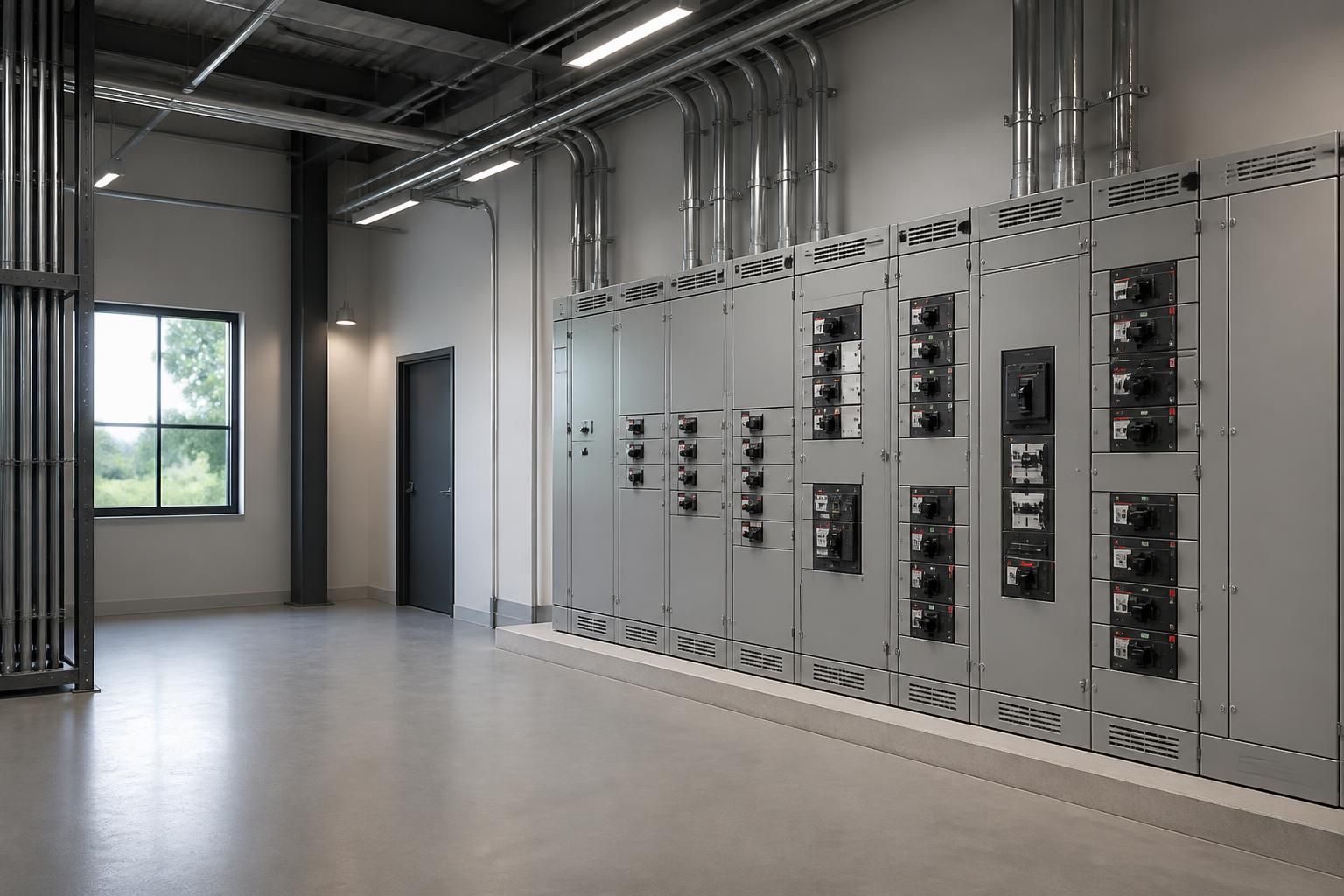
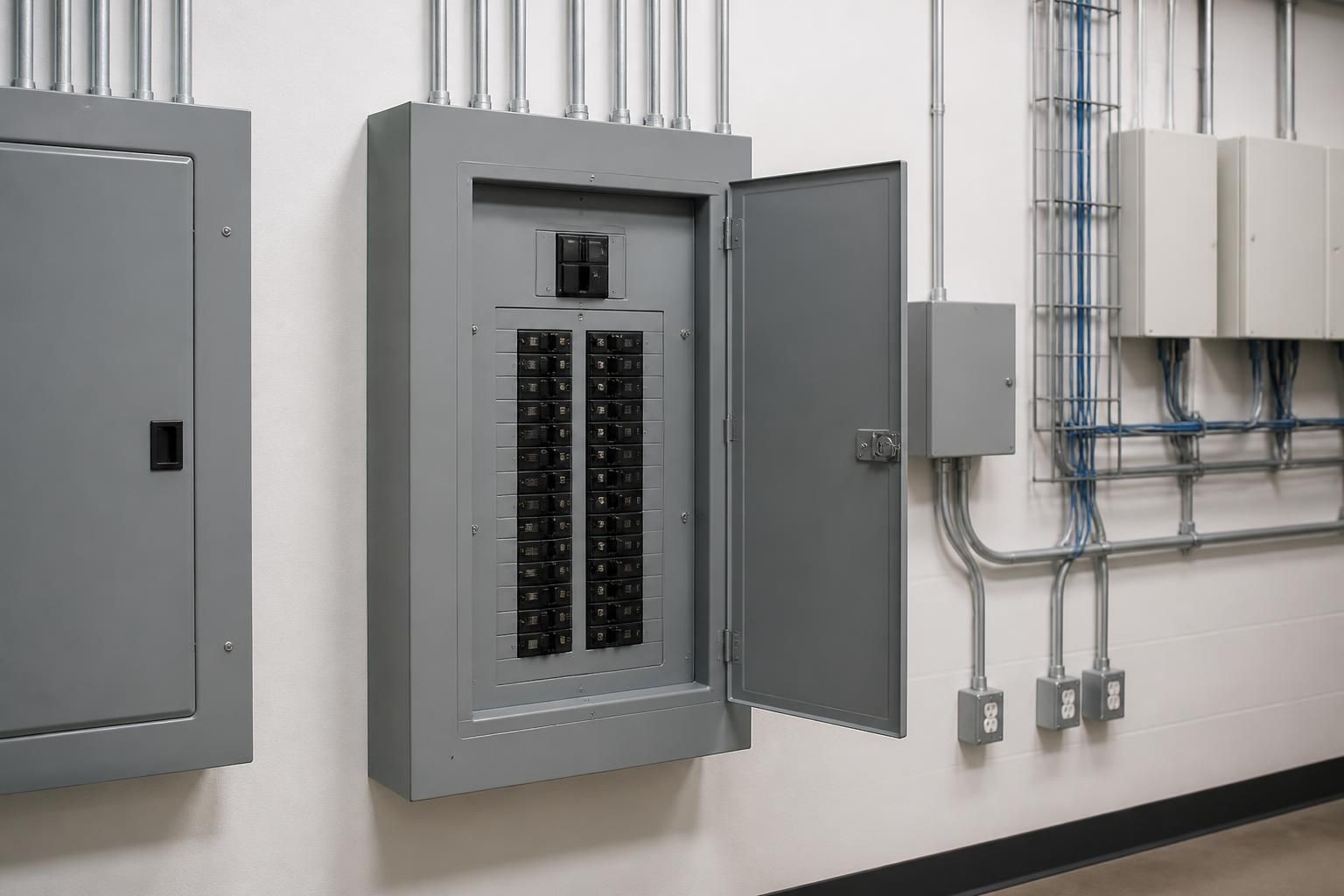
What is a thermography maintenance program?
It is a scheduled series of scans on the same equipment, with the images saved so each scan can be compared with the last. The first scan sets a baseline. Later scans show whether a warm connection is getting worse, staying the same or was fixed.
Infrared inspection is a common part of an electrical maintenance program, and our NFPA 70E electrical safety page explains the safe work practices we follow around live equipment.
What does a program include?
- An equipment list with locations, so every scan covers the same points
- A baseline scan with saved thermal and visible images
- Scheduled follow-up scans, such as annually or by building area
- Priority-ranked findings after each scan
- Before and after images when something is repaired
- A running record you can show a facility manager, auditor or lender
How often should equipment be scanned?
It depends on how critical the equipment is, how heavily it is loaded and what condition it is in. Many facilities scan critical gear annually and less critical equipment on a longer cycle. We recommend a schedule after we see the equipment.
Why is a program better than a one-time scan?
Connections that were fine last year can loosen after a year of heating and cooling cycles, and Phoenix's hot days and cooler nights add plenty of them. A program catches that change. It also lets you spread repairs across a budget, fixing the worst findings first and watching the rest.
How do we handle multiple buildings?
For property owners with several sites, we set up one equipment list per site, scan in a route that makes sense and deliver a combined summary alongside the site reports. The overall service is on our Infrared Thermography page.
Arizona ROC #153656 (CR-11) | FLIR Level 1 certified | Over 40 years in business