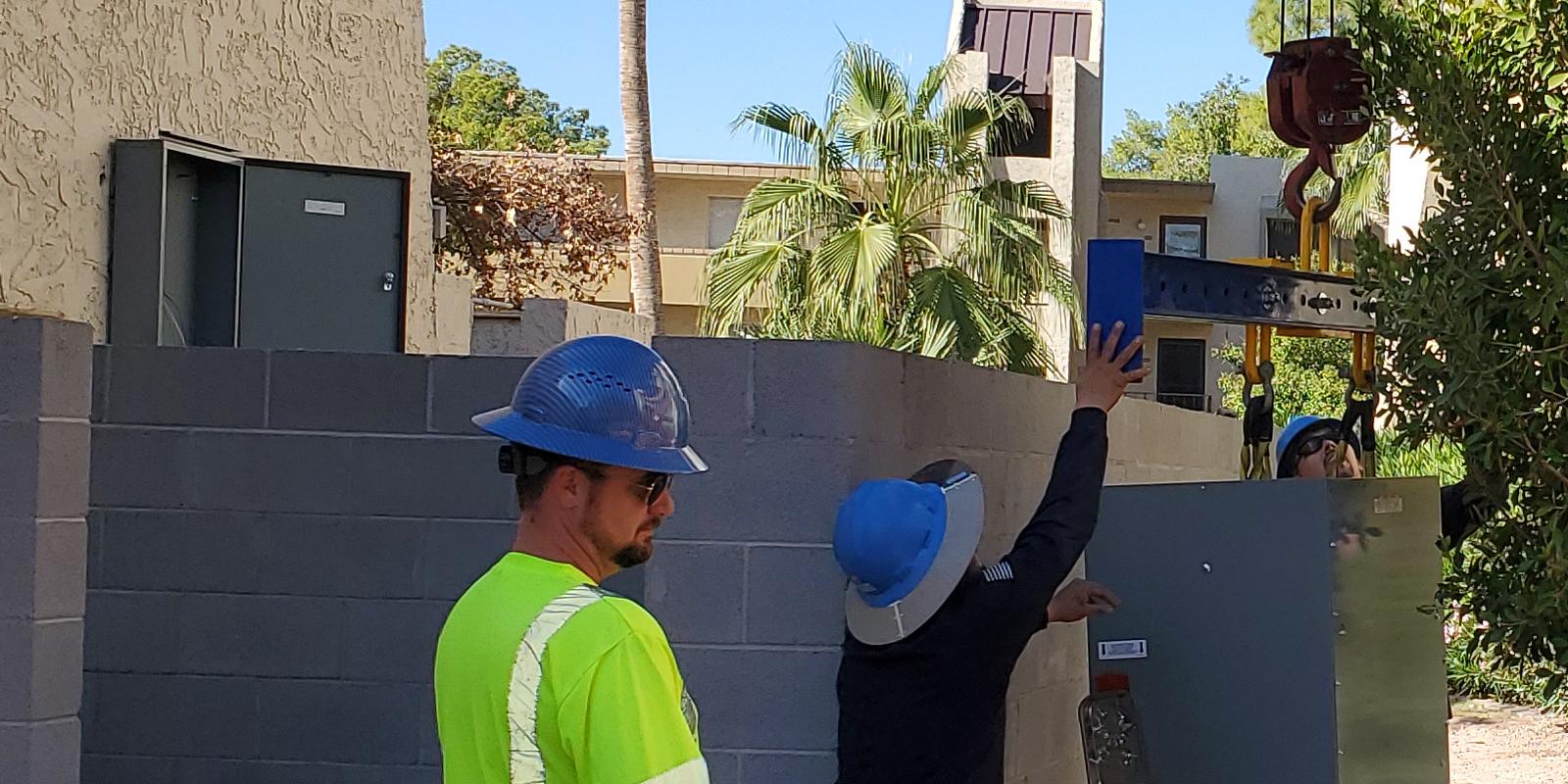
What commercial electrical work do we do?

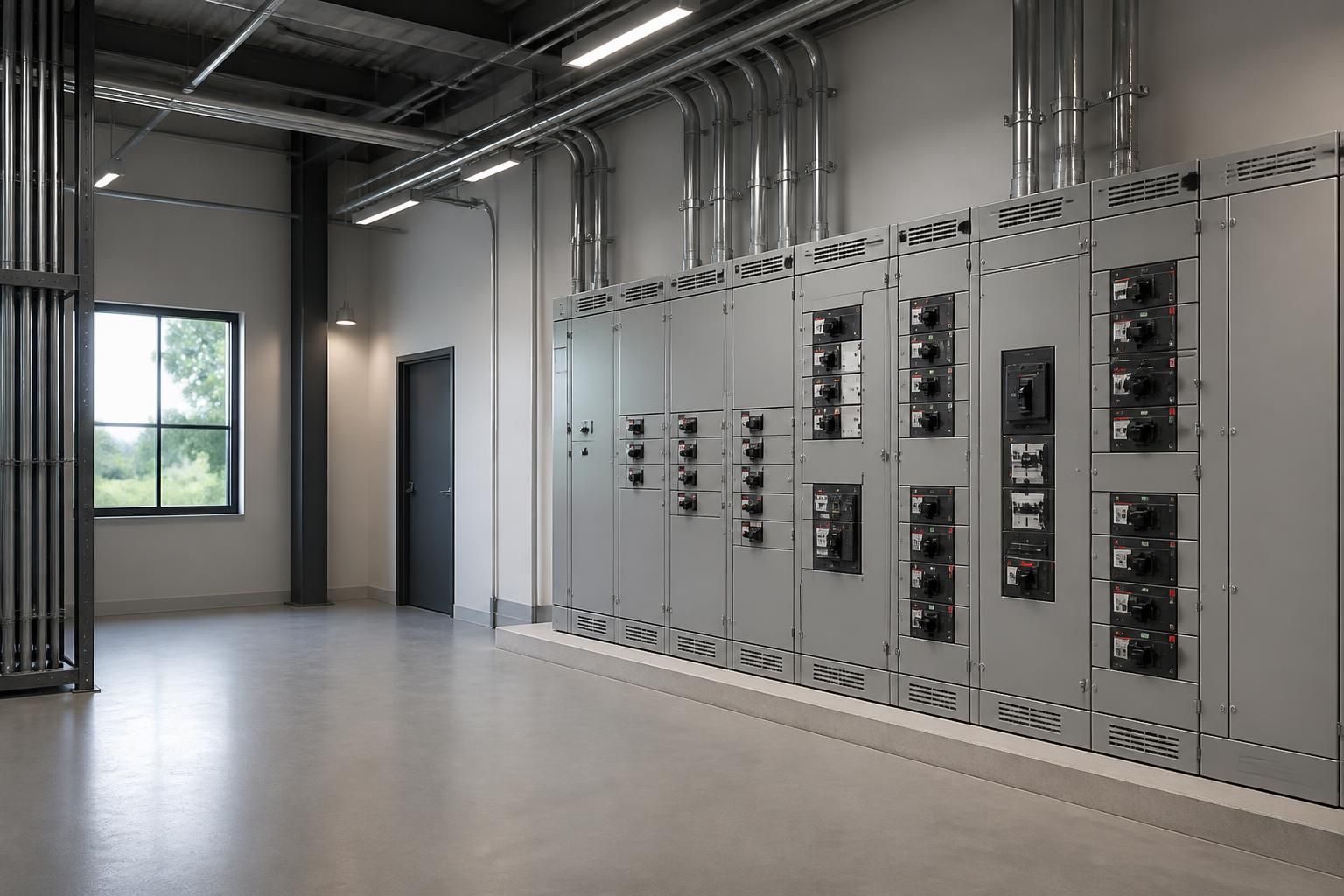
We handle the electrical systems that keep a commercial building running: the service, the panels, the feeders between them, the circuits that serve equipment and the controls that manage it. Most jobs fall into one of the groups below.

Distribution and protection

Circuits, equipment and controls

Testing and documentation

Why do we measure before we build?

A tenant who adds equipment or a manager who adds a suite often finds out the hard way that the panel was already close to its limit. We start with measured numbers where they matter, because a recorded peak is a better basis for a panel, feeder or service decision than a guess. That is the same data approach behind our load study work, and it is the reason many commercial jobs start with a short recording instead of a quote on equipment.

What kinds of buildings do we work in?

Offices, retail suites, restaurants, medical and professional suites, warehouses, light industrial space and the common areas of apartment and condominium properties. These buildings usually run on 208Y/120 volt or 480 volt three-phase power, carry continuous loads and are inspected by the city, which changes how the work is sized and permitted compared with a house.

How do we work around an open business?

  • Rough-in and conduit work during normal hours where it does not disturb customers or staff
  • Panel tie-ins and outages scheduled for evenings, weekends or agreed windows
  • Phased work so one area stays powered while another is changed
  • Permits, inspections and panel schedules handled as part of the job

Arizona ROC #153656 (CR-11) | Over 40 years in business
OUR PROCESS

HOW DOES A JOB WITH PHOENIX CONTRACTING SERVICES WORK?

Every job follows three steps: a site walkthrough, testing and documentation, then findings and next steps.

01

WALKTHROUGH AND SCOPE

We start with a free phone consultation, and you can send a photo of your panel or equipment. If on-site work is needed, we visit, look at the panels and service, and agree on what needs to be tested or repaired before any work starts. On-site work is quoted before it begins.

02

TESTING AND DOCUMENTATION

Load loggers and a thermal camera record what the equipment is doing, and the results are documented for each panel or component we check.

03

FINDINGS AND NEXT STEPS

We go over what we found and your options in plain language. If corrective work is needed, we are licensed to do it.

WHAT CUSTOMERS SAY ABOUT US

5.0 VERIFIED GOOGLE RATING
It actually started in Fall 2020 with my Garage losing power. I bid out the work and hired Phoenix Contracting Services. The following Monday, Jeff and his crew (Mike and Gabriel) came out and finally resolved the issue See more
Jeff’s knowledge, experience and professionalism are exemplary! We contracted him to provide engineering plans to permit our relocation and upgrade of electrical service meter. He worked with my electricians on details See more
We woke to a Friday morning with weird lighting fluctuations. I checked the service panel to find a burning smell and melted bus bar under AC breaker. Since bus bar was melted, I contacted SRP who provided some certified See more

What types of commercial buildings do you work on?
Offices, retail, restaurants, professional suites, warehouses and the common areas of multifamily properties. We also work in light industrial space, and larger plants are covered on our industrial page.
Can you do the work after hours?
Yes. Panel tie-ins and anything that needs a power outage are scheduled for evenings, weekends or a window that suits your operation.
Do you pull permits for commercial work?
Yes. We handle permits and inspections with your city as part of the job, and update panel schedules when we finish.
Should I do a load study before adding equipment?
If the building is near its limit or you are not sure, yes. A recorded peak shows whether new equipment fits or whether a panel or service upgrade has to come first.
Do you work with our engineer and project team?
Yes. We build to drawings, coordinate with your engineer and project team, and provide field data when they need it.

Tell Us What Your Electrical System Needs

Share the details of your project, and our team will help you identify the most practical next step.