What can a thermal scan find in switchgear and panels?
A scan finds connections and components running hotter than they should. The usual causes are loose lugs, damaged conductors, overloaded breakers and phase imbalance. Each one raises resistance, which creates heat, which makes the connection worse.
- Loose or corroded terminations on breakers, lugs and bus connections
- Breakers running hot because of internal wear or overload
- Uneven loading across phases
- Failing fuses and fuse clips
- Hot spots on bus bars and cable connections
What equipment do we scan?
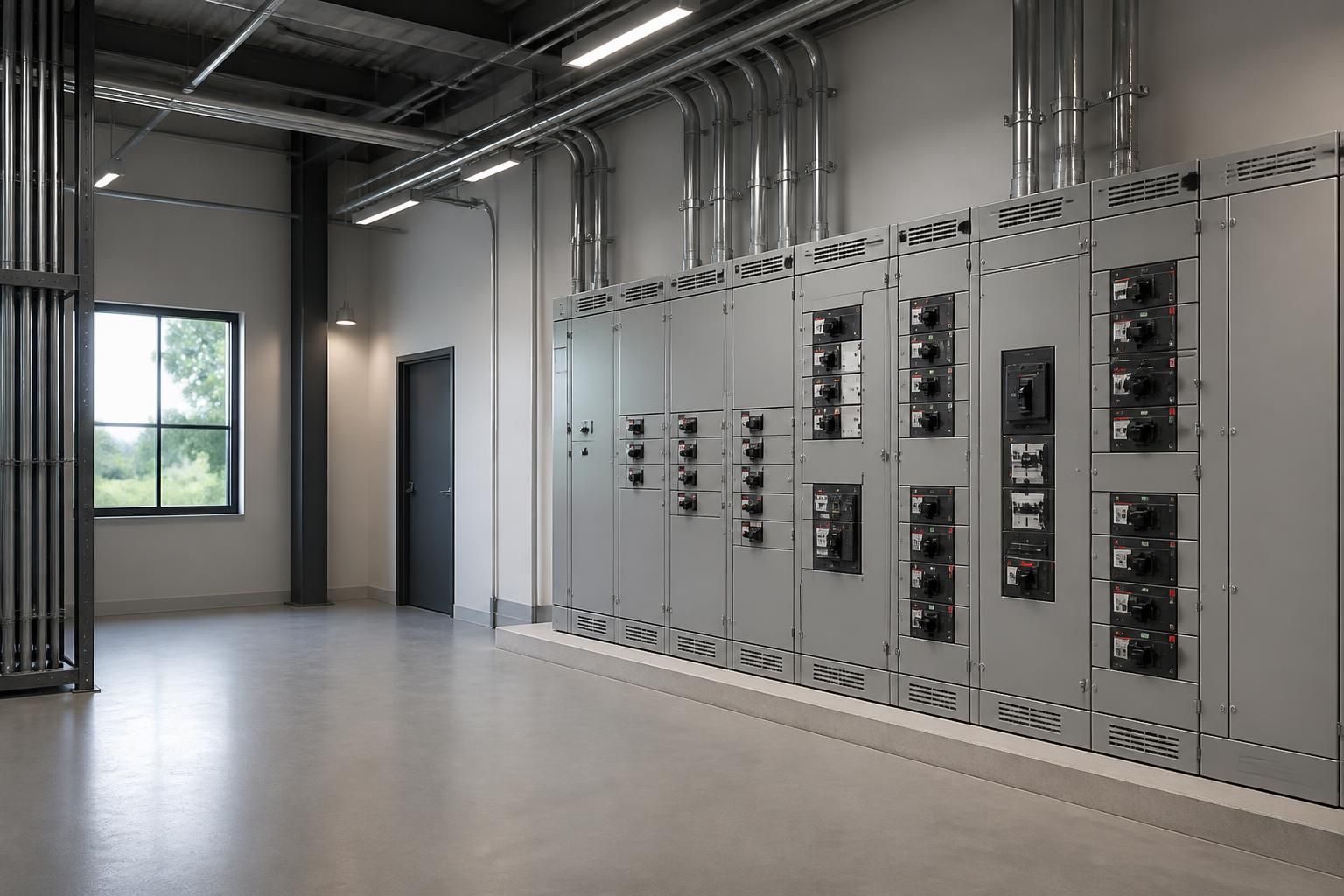
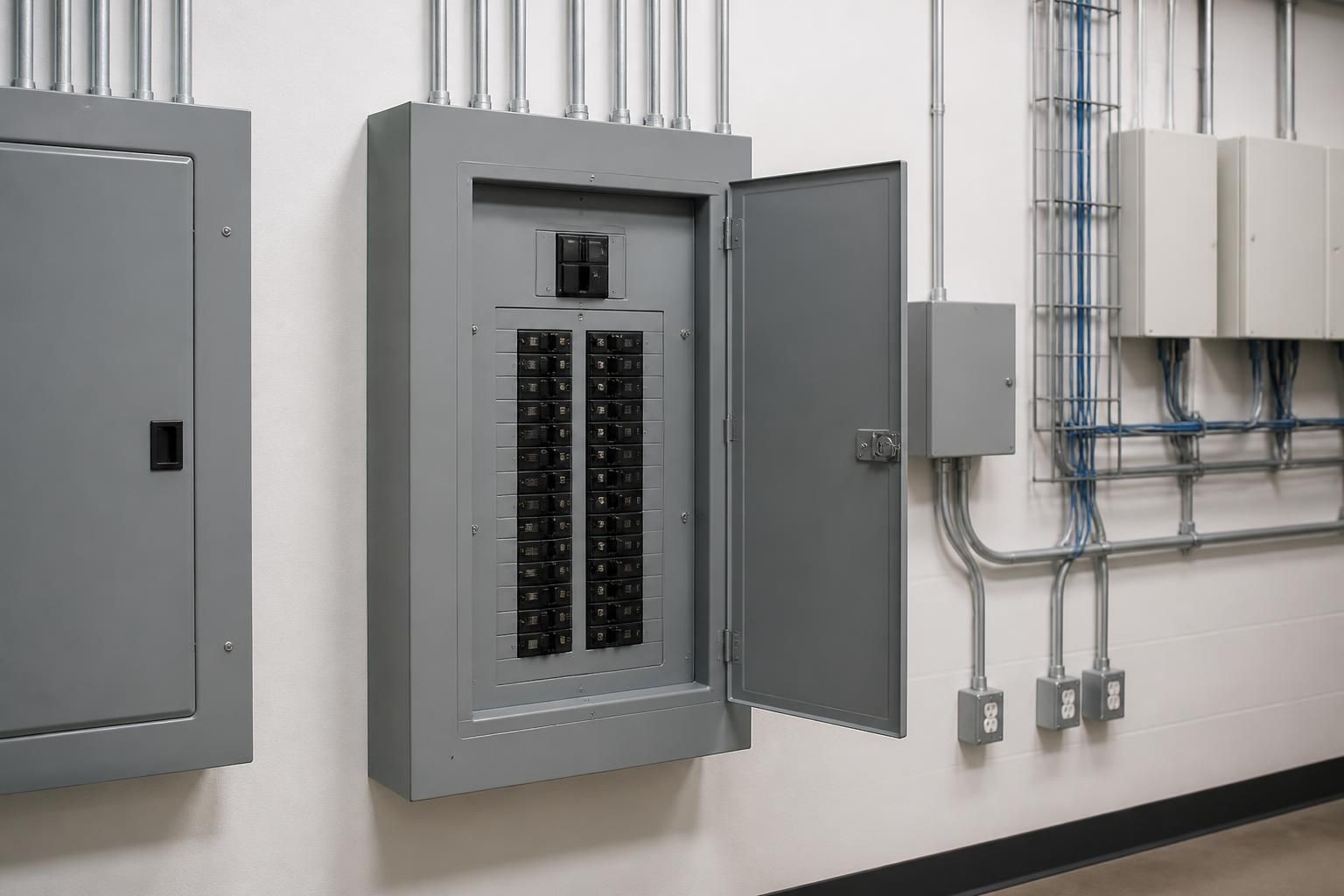
Main switchgear and switchboards, distribution panels, branch panelboards, motor control centers, disconnects and the connections on dry-type transformers. We scan with covers removed where it is safe, or through infrared windows where they have been installed.
Why does load matter?
A bad connection often looks fine at rest. Current has to be flowing for the heat to show up, so we scan at normal or high load. In Phoenix, the equipment room itself may be warm in summer, and we account for that by comparing a component with similar ones in the same room rather than reading a number in isolation.
How do we work around live equipment?
Scanning live panels is done by a qualified person following NFPA 70E safe-work practices. We coordinate with your facilities staff so we can access equipment rooms and open panel covers at an agreed time. Most scans take a few hours for a typical commercial building.
What do you get?
A report with a thermal and visible photo of each finding, the equipment location, a priority and a recommended correction. If you have a maintenance program, the report slots into it. See thermography for preventive maintenance programs. The overall service is on our Infrared Thermography page.
Arizona ROC #153656 (CR-11) | FLIR Level 1 certified | Over 40 years in business